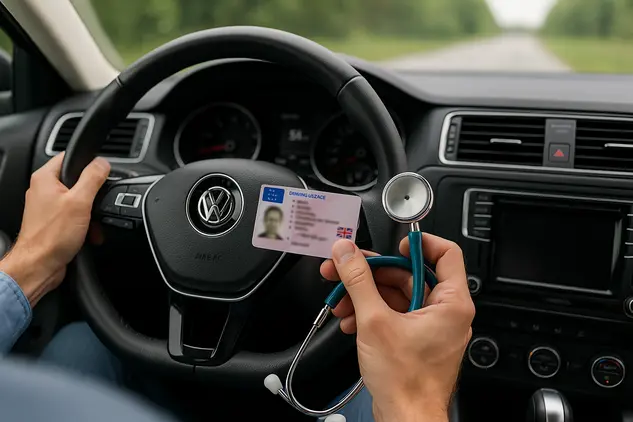
If the Driver and Vehicle Licensing Agency (DVLA) has asked about your health—or you’re wondering whether you need to tell them about a medical condition—you’re not alone. Thousands of UK drivers each year face DVLA medical checks. The good news: with the right information and preparation, most people can navigate the process smoothly and get back to driving safely and legally.
This guide explains when a DVLA medical is required, how the assessment works, what evidence helps, and practical steps to speed up decisions. It’s written for clarity and discoverability, so you can take action today.
What Is a DVLA Medical Licence Assessment?
A DVLA medical assessment is DVLA’s process to confirm whether you meet the medical standards for driving. It isn’t always a physical exam. Often it’s a paper review of reports from your GP, consultant, or an optometrist. In some cases, you’ll attend an independent medical or vision assessment arranged by DVLA, or you’ll get a private “D4” medical if you’re applying for or renewing a lorry/bus (Group 2) licence.
Who Needs to Tell DVLA About Their Health
You must tell DVLA if you have a condition that could affect safe driving. This generally includes:
– Neurological: epilepsy, seizures, blackouts/syncope, brain injury, stroke/TIA, narcolepsy, multiple sclerosis, Parkinson’s disease.
– Sleep and breathing: obstructive sleep apnoea (especially with daytime sleepiness), other sleep disorders causing excessive sleepiness.
– Vision: significant sight loss in one or both eyes, field of vision defects, double vision. You must be able to read a number plate at 20 meters and meet minimum visual acuity/field standards.
– Diabetes: particularly if treated with insulin or medications that can cause hypoglycaemia.
– Cardiac: heart attack, angina, arrhythmias, implanted devices (pacemaker/ICD), heart failure, valve/surgery.
– Mental health and cognition: conditions that impair judgment, attention, or insight.
– Substance misuse or dependence: alcohol or drugs, including prescribed drugs if misused.
– Other medical issues: recurrent hypoglycaemia, severe dizziness/vertigo, serious musculoskeletal or limb problems affecting vehicle control.
Note: There are separate, stricter rules for lorry and bus drivers (Group 2) than for car and motorcycle drivers (Group 1). If in doubt, check DVLA’s latest medical standards or ask your clinician.
Common Triggers for a DVLA Medical Check
– You self-report a notifiable condition (online or by form) or your doctor advises you to inform DVLA.
– Police, courts, or insurers flag a concern after a crash or motoring offence.
– You apply for, renew, or reinstate a Group 2 licence (HGV/PCV) and need a D4 medical and vision test.
– You reach age 70 (licence renewal) and disclose a relevant health issue. There isn’t an automatic medical at 70, but disclosure can trigger checks.
Group 1 vs Group 2: What’s the Difference?
– Group 1: Cars and motorcycles. Standards are less strict. Many people can keep or regain their licence with good control of their condition.
– Group 2: Lorries (HGV) and buses (PCV). Standards are tighter because of vehicle size and duty of care. You’ll need a D4 medical at application and again at 45, then every five years until 65, and annually thereafter. Some conditions that are acceptable for Group 1 are not permitted for Group 2.
How the DVLA Medical Process Works
1) You inform DVLA (or DVLA contacts you). You may complete a condition-specific questionnaire.
2) DVLA gathers evidence. This can include reports from your GP, consultant, optometrist, or a DVLA-appointed doctor.
3) You may attend a medical or vision assessment. Group 2 applicants routinely need a private D4 medical and eyesight checks.
4) DVLA makes a decision. Outcomes include: retain/issue licence (sometimes with a short-term licence), request more evidence, or revoke/refuse.
5) Reapply or appeal if necessary. If refused or revoked, you may reapply after a set period or appeal with new evidence.
Driving While DVLA Decides (Section 88)
Many drivers can legally continue to drive under “Section 88” while DVLA processes an application, provided:
– You’ve applied to renew/obtain your licence.
– Your last licence hasn’t been revoked/refused for medical reasons since that application.
– Your doctor says you’re fit to drive, and your insurance allows it.
– You meet the licence conditions for your vehicle category.
Always confirm your eligibility; rules can change and individual cases vary.
What to Expect in a D4 Medical (Group 2)
A D4 medical (for HGV/PCV) typically includes:
– Medical history review and medications.
– Blood pressure and general examination.
– Urine test (e.g., for glucose/protein).
– Vision assessment (visual acuity and fields). Often an optometrist completes the eyesight section.
Practical points: Book the eye test before the medical so your D4 is complete in one go. Bring photo ID, glasses/contact lenses, prescriptions, and a medication list. Private providers often charge; prices vary widely by region.
Alcohol or Drug-Related Medicals
After certain drink/drug driving offences or where there’s concern about misuse/dependence, DVLA may require evidence of stability and abstinence. Expect some combination of:
– Blood tests: liver function (ALT, AST, GGT) and markers of sustained alcohol use such as CDT. Some cases may use PEth testing for more recent intake windows.
– Clinical evidence: GP/consultant letters, treatment records, and evidence of engagement with support services.
– Timeframes: Periods of demonstrable abstinence or controlled use are often required. For Group 2, standards are generally stricter.
Tip: Be transparent. Attempting to “game” tests usually backfires and prolongs withdrawal of your licence. Build a clear, documented recovery timeline.
Diabetes and Driving: Key Considerations
– Tell DVLA if you use insulin or have recurrent severe hypos. Some non-insulin medicines can also cause hypos and may need disclosure.
– Keep a glucose monitor in your vehicle. Check before driving and at regular intervals on long journeys. Always carry fast-acting carbohydrate.
– Provide logs if requested. Downloadable data from meters/CGM and clinic letters showing stable control can support your case.
– Group 2 drivers face tighter requirements, especially around hypoglycaemia awareness and frequency.
Sleep Apnoea and Fatigue-Related Conditions
– Moderate to severe obstructive sleep apnoea with daytime sleepiness typically must be disclosed.
– Evidence that treatment is effective (e.g., CPAP compliance reports) is crucial.
– Many drivers return to driving once symptoms are controlled; Group 2 drivers may need a period of demonstrated stability first.
Vision Standards in Brief
– You must be able to read a number plate at 20 metres in good daylight, with glasses or contacts if worn.
– Minimum visual acuity and visual field standards apply; Group 2 thresholds are stricter.
– Sudden loss of vision, double vision, or significant field defects require immediate action—stop driving and contact a clinician and DVLA.
Timelines: How Long Does It Take?
– Straightforward Group 1 cases: Often weeks, sometimes longer if DVLA waits on clinician reports.
– Complex cases or Group 2: Can take several weeks to a few months. Backlogs happen, especially during peak periods.
If your case feels stalled, a polite check-in with DVLA after 6–8 weeks can help. Ensure your GP/consultant has returned all forms.
Costs You Might See
– D4 medical (Group 2): Typically private, with fees varying by provider and region. Eye tests may be billed separately.
– Independent medicals or vision tests requested by DVLA are usually arranged by them, but always read your appointment letter.
– Routine Group 1 assessments usually don’t incur private fees unless you choose to expedite something (e.g., private eye exam for quick field testing).
If DVLA Revokes or Refuses Your Licence
– Ask for the reasons in writing and what evidence would support reconsideration.
– You can usually reapply after a defined period once you meet standards again.
– There may be rights to appeal to a Magistrates’ Court within a set timeframe; consider seeking legal advice.
– Gather fresh, objective medical evidence before reapplying.
Practical Tips to Speed Up and Strengthen Your Case
– Be proactive with paperwork: Complete forms accurately, keep copies, and send via recorded delivery. Missing answers cause the most delays.
– Line up your clinicians: Tell your GP/consultant that DVLA forms are coming. Provide written consent and correct contact details to avoid administrative bottlenecks.
– Pre-empt evidence gaps: Book an up-to-date optician test, arrange a medication review, and request recent clinic letters before DVLA asks.
– Show stability over time: Keep diaries or downloads (e.g., glucose logs, CPAP reports). Objective data over 3–6 months is persuasive.
– Mind your numbers: Control blood pressure, follow treatment plans, and avoid alcohol if under review. Short-term “crash” fixes rarely help.
– Bring the basics to appointments: Photo ID, glasses/contacts, prescriptions, current medication list, and any medical devices or reports.
– Know Section 88: If you’re eligible to drive while DVLA decides, confirm in writing and check your insurer is comfortable. Keep a copy in the vehicle.
– Communicate clearly: If your health changes while DVLA is deciding—better or worse—update them with fresh evidence.
Case Examples (Illustrative)
– A driver with newly diagnosed sleep apnoea paused driving, started CPAP, and provided 90-day compliance data showing good control; licence reinstated.
– An HGV driver booked a combined optician and D4 medical in one visit, included a current medication list, and avoided a recheck by completing all sections correctly the first time.
– After alcohol misuse, a motorist supplied GP letters, negative alcohol biomarkers over several months, and proof of support group attendance; DVLA restored a short-term licence subject to review.
Frequently Asked Questions
Q: Do I automatically need a medical at age 70?
A: Not automatically. You must renew at 70 and every three years thereafter, declaring any medical conditions. A medical is only triggered if your disclosure or history requires assessment.
Q: Can I drive while I’m waiting for DVLA to decide?
A: Possibly, under Section 88, if specific conditions are met (application made, medically fit per your doctor, not previously refused/revoked since applying, insured). Check your exact circumstances.
Q: How strict are Group 2 (HGV/PCV) standards?
A: Much stricter than Group 1. Expect routine D4 medicals, tighter vision and hypoglycaemia rules, and more conservative decisions on conditions like seizures or sleep disorders.
Q: What alcohol tests does DVLA look at?
A: DVLA may consider liver function tests and alcohol biomarkers such as CDT. In some cases, additional markers (e.g., PEth) or clinical evidence are used. The aim is to confirm stability and safe driving.
Q: My vision is borderline—should I wait for DVLA, or see an optician now?
A: See an optician now. Up-to-date acuity and visual field reports often speed decisions and reveal simple fixes (updated prescription) that keep you legal and safe.
Q: I had a single seizure. Will I lose my licence forever?
A: Not usually. Outcomes depend on cause, risk of recurrence, and your medical evidence. Many Group 1 drivers return to driving after a defined seizure-free period if assessments are reassuring. Group 2 rules are considerably tougher.
Q: How can I avoid delays?
A: Fill in every form field, provide contact details for your clinicians, send copies of key clinic letters, and follow up with your GP to ensure reports are returned promptly.
Editor’s Note on Accuracy
Medical standards can change. Always check the latest DVLA guidance or speak with your clinician for advice tailored to your situation. This article is for general information, not legal or medical advice.
Conclusion: Take Control of the Process
A DVLA medical check can feel daunting—but it’s manageable with preparation. Most drivers who engage early, document control of their condition, and provide clear evidence regain or retain their licence.
Here’s your action plan:
– Identify whether your condition is notifiable and inform DVLA promptly.
– Assemble a “licence pack”: medication list, recent clinic letters, test results, and any device downloads (e.g., CPAP, glucose).
– Book essentials early: optician test and, if applicable, your D4 medical.
– Coordinate with your GP/consultant so DVLA’s requests don’t sit unanswered.
– If eligible, confirm Section 88 cover and keep proof in the car.
– If refused, ask DVLA what specific evidence would change the decision, then build it methodically.
Staying transparent, proactive, and evidence-driven is the fastest route back to safe, legal driving. Start today, and keep your paperwork—and your health—one step ahead.